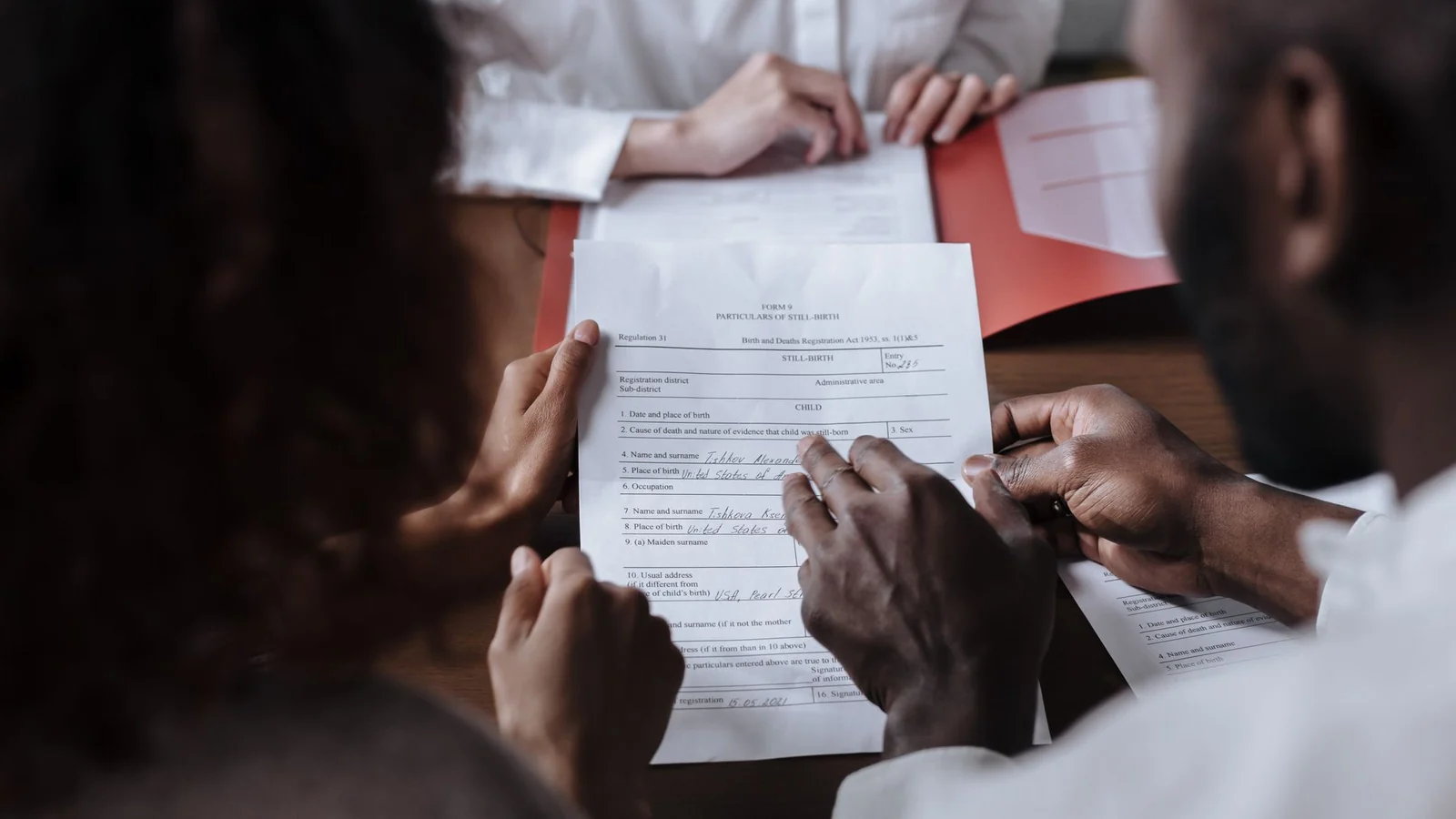
Planning to marry in Thailand, and one or both of you is a foreign national? A wedding ceremony, religious blessing or photos do not replace legal marriage registration. For a Thai–foreign couple, the usual route is to prove each person's legal capacity to marry, have the foreign partner's documents properly translated and authenticated, then register with an amphoe (district) or khet (Bangkok district) registrar. The critical first move is to identify where the foreign partner can obtain an acceptable certificate of marital status.
Marriage registration is open to eligible couples regardless of gender. Thailand's marriage-equality law took effect 23 January 2025. Under the current BORA registration guide, parties generally must be 18 or older (with court-authorised exceptions); people under 20 may need consent from a legally authorised person. Prior marriages, prohibited relationships and certain other legal restrictions must be resolved before registration. A legally registered marriage alone does not grant a visa, extension of stay, citizenship or work permit.
Choose the correct paperwork route
| Your situation | What to arrange before the registrar appointment |
|---|---|
| Thai citizen marrying a foreign citizen in Thailand | Thai partner's ID plus foreign partner's passport and suitably authenticated single-status / freedom-to-marry evidence; two witnesses and a registrar's document review |
| Foreign partner gets their single-status certificate from their home country | Verify home-country government authentication, Thai embassy/consulate certification abroad, then Thai translation and Thai Department of Consular Affairs legalisation, as applicable |
| Foreign partner obtains an affirmation/certificate at their embassy in Thailand | Verify that embassy's procedure, then Thai translation and legalisation by Thailand's MFA Consular Affairs as directed |
| One partner was previously married | Confirm acceptable final divorce decree, former spouse's death certificate or equivalent and required translations/legalisation; do not just present an unverified copy |
| Two foreign citizens registering in Thailand | Confirm directly with the chosen registrar and both consular authorities whether each party's proof of capacity and foreign-document legalisation will be accepted; the Thai–foreign example list is not automatically a complete two-foreigners checklist |
| Already legally married overseas | Do not assume you must marry again. Ask about recognition and recording foreign marriage status (Kor Ror 22 / คร.22) where applicable, which is different from fresh Thai marriage registration |
1. Get the foreign partner's marital-status evidence first
The Thai MFA Consular Affairs instructions distinguish two common origins:
Certificate issued in the foreigner's home country: The published Thai route describes legalisation by the home country's Ministry of Foreign Affairs and a Thai embassy or consulate there, followed by Thai translation and authentication by Thailand's Department of Consular Affairs.
Certificate or affirmation issued by the foreign embassy or consulate in Thailand: The published Thai route describes having that document translated into Thai and authenticated by Thailand's Department of Consular Affairs.
These are document origin-specific paths, not proof that every embassy issues the same certificate. Some nationalities need an appointment, online application, citizenship-specific affidavit or divorce proof; others cannot obtain the same affirmation at an embassy in Bangkok. Ask your actual embassy/consulate what it can issue and in what format. Then ask the selected Thai registrar and MFA legalisation service whether that document and any translator's certification meet their requirements. Do this before booking a wedding or paying a document agent.
Example: A British citizen can consult the UK government's nationality-specific marriage guidance, which describes an online affirmation and embassy appointment, and warns that many Thai district offices only accept affirmations issued within three months. That is British guidance, not a universal three-month expiration rule for every nationality. A Turkish, American, Japanese or other foreign national needs the corresponding issuing authority's procedure.
2. Assemble the district-office file
The Bureau of Registration Administration (BORA) names these core items for a Thai civil marriage involving a foreign party:
| Who brings it | Evidence to prepare |
|---|---|
| Thai partner | Current Thai identity card / accepted official identity record; other name or status documents if the registrar requests them |
| Foreign partner | Passport or authorised foreign-identity document, plus properly authenticated certificate of marital status and correct Thai translation |
| Previously married partner(s) | Evidence the earlier marriage lawfully ended, translated and authenticated as required |
| Both together | Two witnesses who can present acceptable identity evidence; ask the office to confirm witness eligibility and whether they must attend at a scheduled time |
| If relevant | Required consent for a party under 20, and any prenuptial agreement that must be submitted or recorded in connection with registration |
Ask the registrar before attending: “Can you accept this specific embassy-issued or home-country marital-status certificate, with these attached legalisations and Thai translation? Will you require an interpreter, advance appointment or any extra documents because of our previous marriage history?” This targeted question is more useful than collecting random internet checklists.
Do not assume a photograph of an ID card is equivalent to its original. Where documents are not in Thai, confirm the precise translation/legalisation path rather than ordering extra paid seals without checking.
3. Register at an amphoe or khet
BORA's published guide allows registration at an amphoe or Bangkok khet district office without restricting the choice to the parties' home-district registrations; Thai embassies and consulates abroad also have registration functions under their separate procedures. In practice, ask the chosen office whether it can handle your foreign-language papers and whether an appointment is needed.
A workable sequence is:
- Call the registrar with both nationalities, current marital status and the origin of the foreign single-status document. Confirm which originals/translations must be brought and how many witnesses are expected.
- Complete embassy/home-state documents and Thai MFA legalisation before the district appointment. Check that the spellings of names, dates of birth, passport numbers and previous-marriage details match across documents.
- Attend with both partners, two witnesses and the complete original file. The registrar verifies legal eligibility, identity and the submitted evidence, then records the spouses' declarations and the marriage.
- Inspect the issued civil record/certificate before leaving. Check exact names, Thai/foreign transliterations and registration date. Ask how to obtain certified copies or a current extract for later procedures.
Fees: BORA's published ordinary fee for marriage registration at a district registry office is zero. It lists 10 baht for a copy/extract and 200 baht for registration outside the registry premises, with possible transport arrangements. These are registry charges, not free translation, consular affirmation, legalisation, agent or overseas recognition services. Verify any actual paid extras with the relevant authority.
4. After registration: what the certificate does—and does not—do
Keep at least two sets of records: The Thai civil marriage document and any later copies/extracts for local use, plus the foreign-language/legalised translations your other country may request. The foreign spouse's embassy may require separate reporting or recognition in their nationality system; neither marriage registration nor a Thai translation alone guarantees acceptance abroad.
If you will live together in Thailand: Immigration's Thai-spouse family stay route is a different application, with financial and documentary conditions depending on the exact family/visa category. The registrar cannot issue that immigration permission and the marriage certificate itself does not permit work. Check the foreign spouse's existing permitted-until date independently.
If you already married abroad: Thailand's recording of a foreign-registered marriage in family records (Kor Ror 22) should not be confused with a new Thai marriage ceremony or a second fresh registration. Ask BORA/your registrar about the applicable authenticated foreign marriage certificate and recording procedure.
If you need your marriage certificate for your own embassy or foreign tax/banking authorities: Ask the receiving authority exactly which version, translation, age of extract and legalisation chain it accepts. Requirements can differ even when the original Thai marriage registration is fully valid.
When something goes wrong
The district office rejects the affirmation. Ask for the specific missing legalisation, wording or document date, and take that answer to the foreign embassy and Thai MFA. Do not assume another translation alone corrects an invalid underlying certificate.
Your wedding is scheduled but legal paperwork is incomplete. You can have a celebration, but do not describe the marriage as legally registered until the registrar completes the actual civil entry. Avoid irreversible immigration or property decisions based only on ceremony plans.
Names differ between passport, Thai translation and certificate. Resolve the discrepancy with the registrar promptly and ask what official correction record is required; a handwritten change to a translation is not authoritative.
Before paying for translations or legalisation, ask the specific district registrar and document-issuing embassy which marital-status certificate, authentication sequence, witnesses and translations apply to your nationality and history. Keep any overseas-recognition or immigration application separate from the marriage registration itself.
Confirm your documents with the registrar before paying for legalisation: BORA's marriage-registration guidance and older MFA document procedures were readable, but the complete January 2025 MFA legalisation/registration notice could not be accessed. The actual consular evidence, two-foreigner marriage, interpreter and prior-marriage requirements can depend on nationality and district. Ask the Amphoe/Khet office to confirm your own documents, witnesses and acceptance sequence.