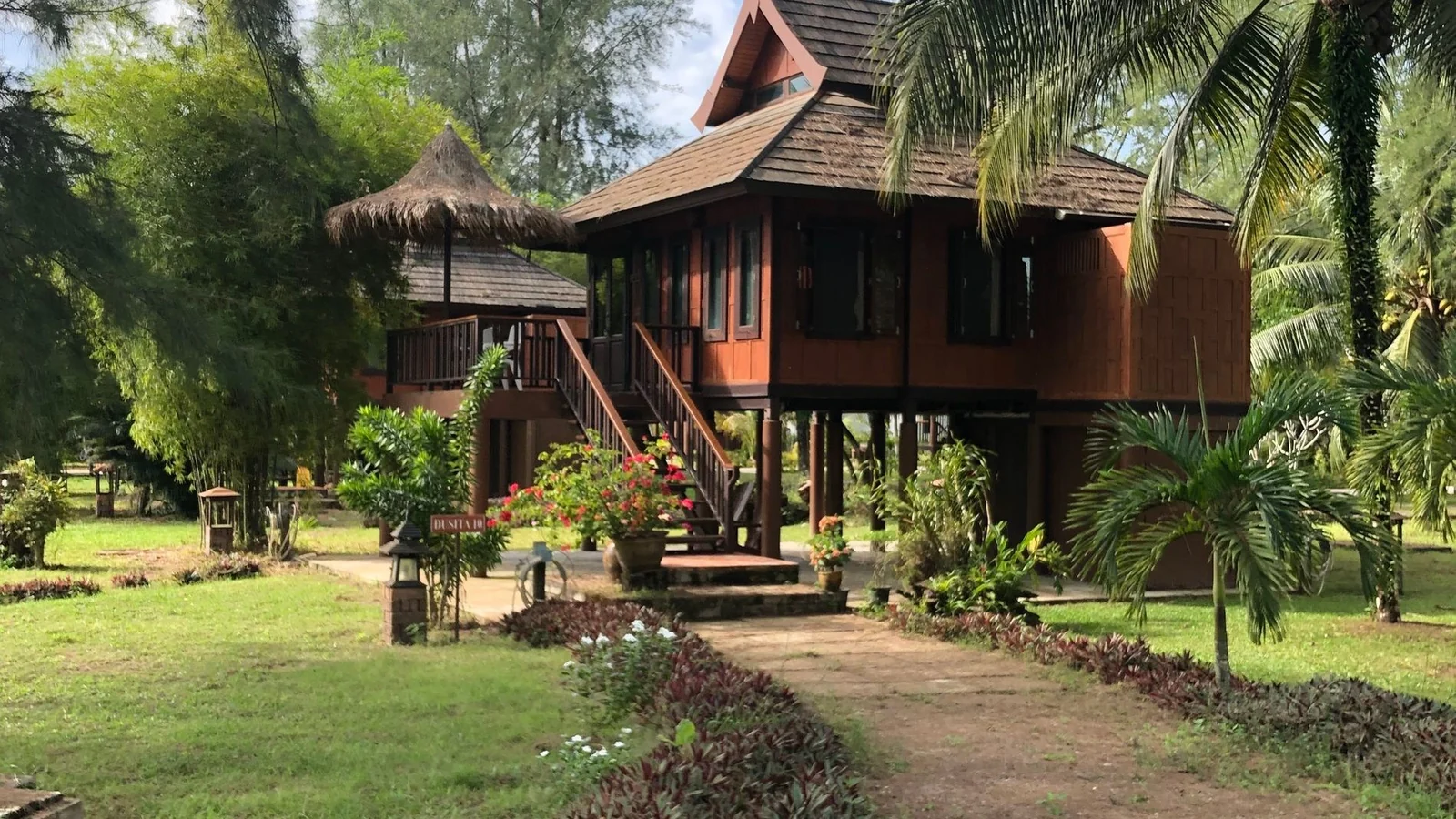
Can you buy a house with land in Thailand as a foreigner? Usually not as ordinary freehold land in your own name. The critical distinction is between owning the land, owning a building, holding a registered lease or other right over land, and owning an eligible condominium unit. An advertisement saying “freehold villa” does not establish who owns the actual land parcel.
Before paying: Ask the seller to show (1) the original land-right/title documents, (2) the registered landowner, (3) exactly which asset and right you would receive, and (4) whether your name can lawfully be registered for that right at the Land Office. Have independent Thai property counsel verify the proposed structure; this is a high-value transaction, not a loophole to improvise.
Which arrangement are you being offered?
| Offer | What a foreign buyer should understand |
|---|---|
| Condo freehold | Foreign ownership may be possible under the Condominium Act, subject to actual condominium status, eligible funding and building foreign-area quota. See the condo purchase guide. |
| House/villa plus land freehold | The house and the land may have different legal owners. Ordinary foreign freehold land acquisition is restricted. |
| Long registered land lease | Provides enforceable lease rights, not land ownership. Check registration, duration, sale/termination clauses and rights to any buildings. |
| Thai spouse buys the land | The Thai spouse can acquire land under applicable law, but the land registered in their name is not thereby owned by the foreign spouse. Official land-funding declarations may be required. |
| Thai company buys land | The company, not its foreign director, is registered as owner. Genuine corporate eligibility and shareholder control matter; nominee structures are risky and not a substitute for lawful ownership. |
| Investor / inheritance exception | Narrow statutory routes exist; eligibility, approvals, investment or inheritance conditions must be proven before money moves. |
What the limited land-ownership exception actually requires
The government's description of Land Code section 96 bis describes a ministerially approved residential-land pathway, generally requiring at least THB 40 million in qualifying Thai investment, maintained for at least five years, for no more than one rai of land, in permitted locations and for the applicant's own residential use. The legal route is not automatic simply because you possess or transfer THB 40 million.
Example: A non-Thai buyer has THB 45 million saved and a developer offers a villa plot. That cash balance alone does not prove they have made a qualifying five-year investment, obtained Interior Ministry permission, or satisfied plot/location restrictions. Do not sign a sale claiming the exception until an independent Land Office/Ministry review confirms the full route.
The government also identifies specific statutory inheritance circumstances. Being named in a will does not establish unrestricted foreign title registration: eligibility, inherited land limits and approvals need assessment. The Department of Lands' separate service manuals list investment, inheritance and Thai-spouse categories separately. Do not merge them into one general foreign-owner exemption.
A lease and a house are two separate questions
A long-term lease can be a practical housing choice, but the underlying plot remains owned by the lessor. The Ratchaburi Land Office's 2026 explanation says a real-property lease of more than three years requires registration at the Land Office to be enforceable for the term agreed; without registration, enforceability is limited to the first three years. General ordinary lease periods are limited under applicable civil-law rules; promises of automatic 30+30+30 renewal should not be sold as ninety guaranteed registered years.
Before agreeing to a villa lease, have your lawyer confirm the lease actually can be registered against the correct title, the landlord's right to grant it, remaining mortgage burdens, what happens if land is sold or inherited, obligations at expiry, and whether the contract grants permission to construct, occupy, remove or sell the building. Ownership of a structure does not itself give ownership of the plot.
Some arrangements may use a separately registered superficies or other limited real right alongside a building. Ask what right appears in the official Land Office register and how it survives sale, death or default; do not rely on marketing terms like “guaranteed villa freehold”. This guide does not certify any particular superficies/lease structure without document review.
If your spouse is Thai
The Department of Lands' current service list specifically provides procedures for Thai purchasers who have a foreign spouse. The Land Office may require the couple's relevant declaration about whose separate/personal funds purchase the land. It is important to understand what that declaration legally means rather than signing something that contradicts your actual financial arrangement.
Example: A Thai spouse is the proposed buyer and the foreign spouse will contribute most of the price. The fact of marriage does not place the foreign spouse on the land title. Ask an independent lawyer what ownership, marital-property, estate and financial rights each party will have and whether the required Land Office statements are truthful before paying.
Buying through a Thai partner or putting shares in other people's names to mask control is not a safe route to create foreign land ownership. If separation, the Thai owner's death or resale would be financially consequential, protect both parties with legally available instruments reviewed before transfer.
A buyer's five-question closing test
- What exact asset? Condo title, land parcel, structure, registered lease, or company shares?
- Who is the registered legal owner now? Ask for a current Land Office title/right verification and details of registered mortgages or restrictions.
- What right will my name appear on? A signed private contract or house registration book does not replace registered title or rights.
- What happens after ten years, on sale or death? Test lease expiry, promised renewal, building ownership, succession and outstanding loans.
- When and how is money released? Require conditional contract terms and official registration steps; involve an independent Thai lawyer, not solely a seller's agent.
Before transferring funds, identify whether the proposed deal offers registered land title, ownership of a building, a specific registered right or only a contractual promise. Get the Land Office and independent counsel to confirm that structure for this property; use the property due-diligence guide for seller, title and construction checks.
Confirm the ownership structure with the Land Office: Detailed Department of Lands manuals could not all be checked in full. Simplified government summaries do not establish guaranteed land ownership for foreigners, automatic lease renewal or a lawful company/nominee workaround. Before paying, obtain independent advice on the exact title, registered rights, statutory exception (if any) and any necessary approval for your property.